Buy fairplay24.eu ?
We are moving the project
fairplay24.eu .
Are you interested in purchasing the domain
fairplay24.eu ?
domain@kv-gmbh.de · 0541-91531010
Buy fairplay24.eu ?
Which axis, the y-axis or the z-axis?
The y-axis is the vertical axis on a standard Cartesian coordinate system, while the z-axis is the vertical axis in a three-dimensional Cartesian coordinate system. The y-axis is typically used to represent the vertical position or value in a two-dimensional graph, while the z-axis is used to represent the vertical position or value in a three-dimensional graph. Therefore, the choice between the y-axis and the z-axis depends on whether you are working in a two-dimensional or three-dimensional space. **
How to calculate the coordinates of the vertices of a square with respect to the z-axis?
To calculate the coordinates of the vertices of a square with respect to the z-axis, you can start by choosing a point as the center of the square. Then, determine the length of the side of the square. Next, calculate the coordinates of the vertices by adding or subtracting the side length from the x and y coordinates of the center point. For example, if the center point is (x, y, z), the vertices can be calculated as (x + side/2, y + side/2, z), (x + side/2, y - side/2, z), (x - side/2, y + side/2, z), and (x - side/2, y - side/2, z). **


Similar search terms for Z-axis
Top-Angebote
Products related to Z-axis:
-
Axis TU8001 Ethernet Surge ProtectorAXIS TU8001 Ethernet surge protector for indoor use. Protects PoE network devices such as IP cameras against surges of up to 10 kV. Supports 10/100/1000 Mbit/s Ethernet and IEEE 802.3bt PoE, and mounts on a DIN rail. Black.101,99 £*Shipping: 0,00 £Secure redirect to the provider



-
How do you calculate the coordinates of the vertices of a square with respect to the z-axis?
To calculate the coordinates of the vertices of a square with respect to the z-axis, you can start by choosing the center of the square as the origin (0, 0, 0). Then, you can determine the distance from the center to each vertex, which will be the same for all vertices in a square. Finally, you can use trigonometric functions to calculate the x and y coordinates of each vertex based on the distance from the center and the angle between the z-axis and the line connecting the center to the vertex. This will give you the coordinates of all four vertices of the square with respect to the z-axis. **
-
What are the deviations of the Z-axis on the Anet A8?
The Anet A8 3D printer has a single Z-axis lead screw, which can sometimes lead to slight deviations in the vertical alignment of the print. These deviations can result in layer shifting or uneven layer heights in the final print. To minimize these deviations, it is important to ensure that the Z-axis lead screw is properly aligned and lubricated, and that the printer's frame is sturdy and well-calibrated. Regular maintenance and adjustments can help to reduce the impact of these deviations on print quality. **
-
What are the deviations of the Z-axis in the Anet A8?
The Anet A8 3D printer has a single Z-axis lead screw, which can lead to potential deviations in the vertical movement of the print bed. Some common deviations include wobbling or uneven movement of the print bed, which can result in layer misalignment and poor print quality. Additionally, the single lead screw can cause the print bed to become unlevel over time, leading to further deviations in the Z-axis. To mitigate these issues, some users choose to upgrade the Anet A8 with dual Z-axis lead screws or other stabilization modifications. **
-
Why does the 3D printer move the Z-axis down while printing?
The 3D printer moves the Z-axis down while printing in order to build up the object layer by layer. As each layer is printed, the Z-axis lowers to make room for the next layer to be added on top. This process continues until the entire object is printed. Moving the Z-axis down allows for precise control over the height of each layer, resulting in a more accurate and detailed final product. **


Is there a missing screw on the Z-axis of the Ender 3?
There is no missing screw on the Z-axis of the Ender 3. The Z-axis of the Ender 3 is typically assembled with two lead screws that are connected to the stepper motor. If you notice a missing screw or any other parts on the Z-axis, it is recommended to contact the manufacturer or supplier for assistance. **
Is there a screw missing on the Z-axis of the Ender 3?
Yes, the Ender 3 3D printer does not have a screw on the Z-axis. The Z-axis on the Ender 3 is typically controlled by a lead screw and a stepper motor, and there is no additional screw that is missing from this setup. If you are experiencing issues with the Z-axis on your Ender 3, it is best to troubleshoot the motor and lead screw assembly to ensure proper functioning. **
Top-Angebote
Products related to Z-axis:
-
Which axis, the y-axis or the z-axis?
The y-axis is the vertical axis on a standard Cartesian coordinate system, while the z-axis is the vertical axis in a three-dimensional Cartesian coordinate system. The y-axis is typically used to represent the vertical position or value in a two-dimensional graph, while the z-axis is used to represent the vertical position or value in a three-dimensional graph. Therefore, the choice between the y-axis and the z-axis depends on whether you are working in a two-dimensional or three-dimensional space. **
-
How to calculate the coordinates of the vertices of a square with respect to the z-axis?
To calculate the coordinates of the vertices of a square with respect to the z-axis, you can start by choosing a point as the center of the square. Then, determine the length of the side of the square. Next, calculate the coordinates of the vertices by adding or subtracting the side length from the x and y coordinates of the center point. For example, if the center point is (x, y, z), the vertices can be calculated as (x + side/2, y + side/2, z), (x + side/2, y - side/2, z), (x - side/2, y + side/2, z), and (x - side/2, y - side/2, z). **
-
How do you calculate the coordinates of the vertices of a square with respect to the z-axis?
To calculate the coordinates of the vertices of a square with respect to the z-axis, you can start by choosing the center of the square as the origin (0, 0, 0). Then, you can determine the distance from the center to each vertex, which will be the same for all vertices in a square. Finally, you can use trigonometric functions to calculate the x and y coordinates of each vertex based on the distance from the center and the angle between the z-axis and the line connecting the center to the vertex. This will give you the coordinates of all four vertices of the square with respect to the z-axis. **
-
What are the deviations of the Z-axis on the Anet A8?
The Anet A8 3D printer has a single Z-axis lead screw, which can sometimes lead to slight deviations in the vertical alignment of the print. These deviations can result in layer shifting or uneven layer heights in the final print. To minimize these deviations, it is important to ensure that the Z-axis lead screw is properly aligned and lubricated, and that the printer's frame is sturdy and well-calibrated. Regular maintenance and adjustments can help to reduce the impact of these deviations on print quality. **
Similar search terms for Z-axis
-
Axis TU8001 Ethernet Surge ProtectorAXIS TU8001 Ethernet surge protector for indoor use. Protects PoE network devices such as IP cameras against surges of up to 10 kV. Supports 10/100/1000 Mbit/s Ethernet and IEEE 802.3bt PoE, and mounts on a DIN rail. Black.101,99 £*Shipping: 0,00 £Secure redirect to the provider
-
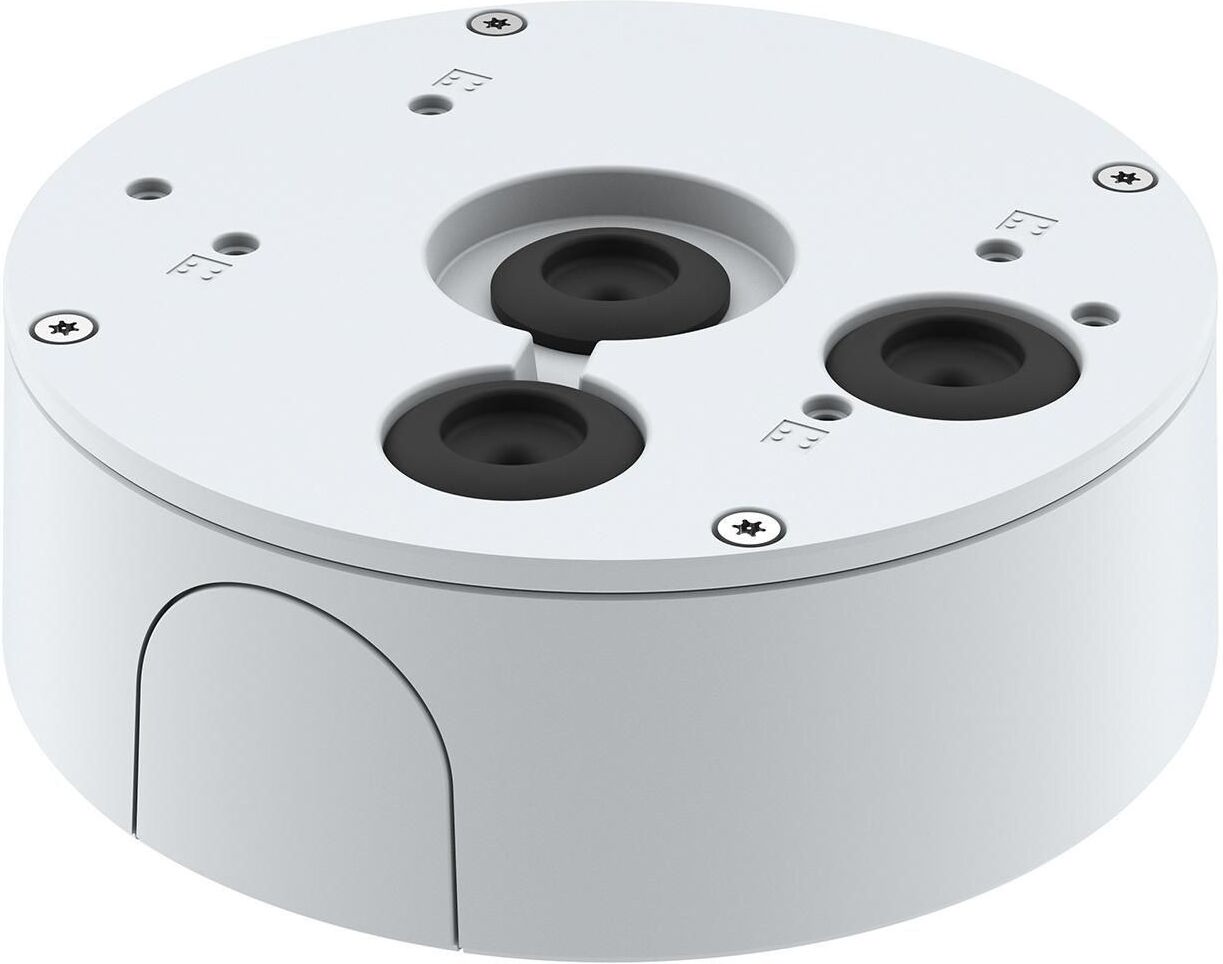
Axis T91B47 Pole Mount 50-150mmThe AXIS T91B47 Pole Mount is a bracket for fitting Axis network cameras and camera housings to a pole, for indoor and outdoor use. This version comes with marine-grade (SS316L) stainless steel straps for poles between 50 and 150 mm in diameter. It is used together with an Axis wall mount or housing bracket and is finished in grey metallic to match Axis outdoor products.127,49 £*Shipping: 0,00 £Secure redirect to the provider
-
What are the deviations of the Z-axis in the Anet A8?
The Anet A8 3D printer has a single Z-axis lead screw, which can lead to potential deviations in the vertical movement of the print bed. Some common deviations include wobbling or uneven movement of the print bed, which can result in layer misalignment and poor print quality. Additionally, the single lead screw can cause the print bed to become unlevel over time, leading to further deviations in the Z-axis. To mitigate these issues, some users choose to upgrade the Anet A8 with dual Z-axis lead screws or other stabilization modifications. **
-
Why does the 3D printer move the Z-axis down while printing?
The 3D printer moves the Z-axis down while printing in order to build up the object layer by layer. As each layer is printed, the Z-axis lowers to make room for the next layer to be added on top. This process continues until the entire object is printed. Moving the Z-axis down allows for precise control over the height of each layer, resulting in a more accurate and detailed final product. **
-
Is there a missing screw on the Z-axis of the Ender 3?
There is no missing screw on the Z-axis of the Ender 3. The Z-axis of the Ender 3 is typically assembled with two lead screws that are connected to the stepper motor. If you notice a missing screw or any other parts on the Z-axis, it is recommended to contact the manufacturer or supplier for assistance. **
-
Is there a screw missing on the Z-axis of the Ender 3?
Yes, the Ender 3 3D printer does not have a screw on the Z-axis. The Z-axis on the Ender 3 is typically controlled by a lead screw and a stepper motor, and there is no additional screw that is missing from this setup. If you are experiencing issues with the Z-axis on your Ender 3, it is best to troubleshoot the motor and lead screw assembly to ensure proper functioning. **
* All prices are inclusive of VAT and, if applicable, plus shipping costs. The offer information is based on the details provided by the respective shop and is updated through automated processes. Real-time updates do not occur, so deviations can occur in individual cases. ** Note: Parts of this content were created by AI.