Buy fairplay24.eu ?
We are moving the project
fairplay24.eu .
Are you interested in purchasing the domain
fairplay24.eu ?
domain@kv-gmbh.de · 0541-91531010
Buy fairplay24.eu ?
Was Yugoslavia a democracy?
Yugoslavia was officially a socialist federal republic, and its political system was based on the principles of self-management and workers' councils. While it had elements of a multi-party system and periodic elections, the Communist Party held a dominant position in the government and society. This limited the true democratic nature of the country, as the ruling party had significant control over political and social life. Therefore, while Yugoslavia had some democratic features, it did not fully function as a liberal democracy. **
What happened to Yugoslavia?
Yugoslavia was a country in Southeast Europe that existed from 1918 to 2003. It was formed after World War I and consisted of several different ethnic groups, including Serbs, Croats, and Bosniaks. However, ethnic tensions and political conflicts eventually led to the breakup of Yugoslavia in the 1990s. This breakup resulted in a series of violent conflicts, including the Bosnian War and the Kosovo War. By 2003, the remaining parts of Yugoslavia had all become independent nations, including Serbia, Croatia, Bosnia and Herzegovina, Montenegro, North Macedonia, and Slovenia. **

Similar search terms for Yugoslavia
Top-Angebote
Products related to Yugoslavia:
-
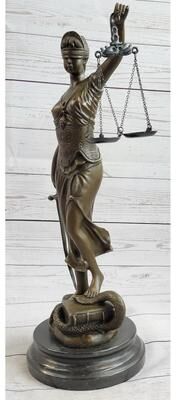
Bronzhaus Bronze Scale Justice Blind Justice Sculpture Statue Clical Figurine 18 Inches RedCondition: This sculpture is in perfect condition Bronze Dimensions with Marble Base: Height 18 inches X Width 9 inches Marble Dimensions: Diameter 5 inches Height without base:17 inches Weight:10LBS Inventory:39Y026-6R7023 Original or Reproduction:…325,99 $*Shipping: 0,00 $Secure redirect to the provider
-
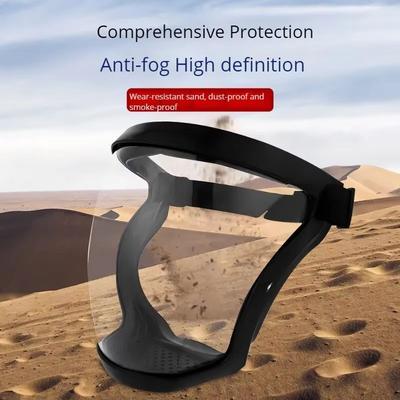
Inspired Finds High Transparency Protective Dustproof Splash Resistant Mask For Outdoor And Work High Transparency Protective Dustproof Splash Resistant Mask For Outdoor And WorkStay protected and visible during outdoor activities and work tasks with this hightransparency protective dustproof mask, designed for comfort, clarity, and versatile use. Whether youre cycling, grinding metal, mowing the lawn, or weeding the...41,99 $*Shipping: 0,00 $Secure redirect to the provider
-
Bronzhaus Bronze Scale Of Justice Blind Justice Sculpture Statue Clical Figurine 18 Inches NrCondition: This sculpture is in perfect condition Bronze Dimensions with Marble Base: Height 18 inches X Width 9 inches Marble Dimensions: Diameter 5 inches Height without base:17 inches Weight:12 LBS Inventory:32Y026-57323 Original or Reproduction:…331,49 $*Shipping: 0,00 $Secure redirect to the provider
-
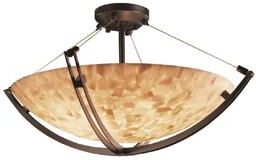
Justice Design Group Justice Design Alabaster Rocks Crossbar 42-inch Dark Bronze Round Bowl Semi-flushThe innovative Alabaster Rocks! Collection, in which pieces of real alabaster are hand-selected and suspended in resin, offers a truly original mosaic look.2761,99 $*Shipping: 0,00 $Secure redirect to the provider

-
What is Yugoslavia called today?
Yugoslavia is no longer a country. It dissolved in the early 1990s due to ethnic conflicts and is now split into several independent countries. These countries include Serbia, Croatia, Slovenia, Bosnia and Herzegovina, Montenegro, Kosovo, and North Macedonia. **
-
What is the fear of being embarrassed due to lack of sportsmanship?
The fear of being embarrassed due to lack of sportsmanship is known as "athazagoraphobia." This fear can stem from a variety of sources, such as a fear of being judged by others, a fear of losing respect or credibility, or a fear of disappointing oneself or others. It can lead individuals to feel anxious or self-conscious in competitive or team sports settings, and may impact their ability to fully engage in the game or activity. Overcoming this fear may involve building confidence, practicing good sportsmanship, and focusing on personal growth rather than external validation. **
-
How would Yugoslavia look like today?
It is difficult to predict exactly how Yugoslavia would look like today as there are many factors to consider. However, it is possible that the country would have faced challenges due to its diverse ethnic and religious makeup. There may have been ongoing tensions between different groups, potentially leading to political instability and conflict. On the other hand, if the country had managed to maintain unity and stability, it could have been a strong player in the region with a diverse and vibrant culture. **
-
Which language was spoken in Yugoslavia?
The main language spoken in Yugoslavia was Serbo-Croatian, which is a South Slavic language. This language was a combination of Serbian and Croatian dialects and was used as the official language of the country. Other languages spoken in Yugoslavia included Slovenian, Macedonian, and Albanian, reflecting the diverse ethnic makeup of the country. **

What is the problem regarding Yugoslavia?
The problem regarding Yugoslavia is the ongoing ethnic and political tensions that have persisted since the breakup of the country in the 1990s. The region has experienced violent conflicts and wars, resulting in the loss of thousands of lives and the displacement of millions of people. The unresolved issues of ethnic nationalism, territorial disputes, and political instability continue to hinder the progress and stability of the region. Additionally, the lack of reconciliation and accountability for war crimes and human rights abuses further complicates efforts to achieve lasting peace and stability in the former Yugoslav states. **
Why does Yugoslavia no longer exist?
Yugoslavia no longer exists due to a combination of factors, including ethnic and nationalist tensions, economic difficulties, and the collapse of communism. The country was made up of multiple ethnic groups, including Serbs, Croats, and Bosnians, which led to internal conflicts and eventually the breakup of the country. Additionally, the fall of communism in Eastern Europe and the economic struggles that followed contributed to the disintegration of Yugoslavia. Ultimately, these factors led to the secession of various republics and the eventual dissolution of the country. **
Top-Angebote
Products related to Yugoslavia:
-
Champagne Faux Honesty Single StemBring soft shimmer to your arrangements with the Champagne Faux Honesty Single Stem. Delicate coin-shaped petals in a pearly champagne tone catch the light beautifully. The tall flexible stem is easy to style in slim vases, mixed bouquets, or seasonal centrepieces. Enjoy the airy, dried-flower look without shedding or fading. Display alone for a minimal statement or cluster several stems for a full, ethereal arrangement in any room. Perfect for neutrals, styling, and year-round décor. Dimensions: H67cm4,99 £*Shipping: 4,99 £Secure redirect to the provider
-
Bronzhaus Bronze Scale Justice Blind Justice Sculpture Statue Clical Figurine 18 Inches RedCondition: This sculpture is in perfect condition Bronze Dimensions with Marble Base: Height 18 inches X Width 9 inches Marble Dimensions: Diameter 5 inches Height without base:17 inches Weight:10LBS Inventory:39Y026-6R7023 Original or Reproduction:…325,99 $*Shipping: 0,00 $Secure redirect to the provider
-
Inspired Finds High Transparency Protective Dustproof Splash Resistant Mask For Outdoor And Work High Transparency Protective Dustproof Splash Resistant Mask For Outdoor And WorkStay protected and visible during outdoor activities and work tasks with this hightransparency protective dustproof mask, designed for comfort, clarity, and versatile use. Whether youre cycling, grinding metal, mowing the lawn, or weeding the...41,99 $*Shipping: 0,00 $Secure redirect to the provider
-
Was Yugoslavia a democracy?
Yugoslavia was officially a socialist federal republic, and its political system was based on the principles of self-management and workers' councils. While it had elements of a multi-party system and periodic elections, the Communist Party held a dominant position in the government and society. This limited the true democratic nature of the country, as the ruling party had significant control over political and social life. Therefore, while Yugoslavia had some democratic features, it did not fully function as a liberal democracy. **
-
What happened to Yugoslavia?
Yugoslavia was a country in Southeast Europe that existed from 1918 to 2003. It was formed after World War I and consisted of several different ethnic groups, including Serbs, Croats, and Bosniaks. However, ethnic tensions and political conflicts eventually led to the breakup of Yugoslavia in the 1990s. This breakup resulted in a series of violent conflicts, including the Bosnian War and the Kosovo War. By 2003, the remaining parts of Yugoslavia had all become independent nations, including Serbia, Croatia, Bosnia and Herzegovina, Montenegro, North Macedonia, and Slovenia. **
-
What is Yugoslavia called today?
Yugoslavia is no longer a country. It dissolved in the early 1990s due to ethnic conflicts and is now split into several independent countries. These countries include Serbia, Croatia, Slovenia, Bosnia and Herzegovina, Montenegro, Kosovo, and North Macedonia. **
-
What is the fear of being embarrassed due to lack of sportsmanship?
The fear of being embarrassed due to lack of sportsmanship is known as "athazagoraphobia." This fear can stem from a variety of sources, such as a fear of being judged by others, a fear of losing respect or credibility, or a fear of disappointing oneself or others. It can lead individuals to feel anxious or self-conscious in competitive or team sports settings, and may impact their ability to fully engage in the game or activity. Overcoming this fear may involve building confidence, practicing good sportsmanship, and focusing on personal growth rather than external validation. **
Similar search terms for Yugoslavia
-
Bronzhaus Bronze Scale Of Justice Blind Justice Sculpture Statue Clical Figurine 18 Inches NrCondition: This sculpture is in perfect condition Bronze Dimensions with Marble Base: Height 18 inches X Width 9 inches Marble Dimensions: Diameter 5 inches Height without base:17 inches Weight:12 LBS Inventory:32Y026-57323 Original or Reproduction:…331,49 $*Shipping: 0,00 $Secure redirect to the provider
-
Justice Design Group Justice Design Alabaster Rocks Crossbar 42-inch Dark Bronze Round Bowl Semi-flushThe innovative Alabaster Rocks! Collection, in which pieces of real alabaster are hand-selected and suspended in resin, offers a truly original mosaic look.2761,99 $*Shipping: 0,00 $Secure redirect to the provider
-
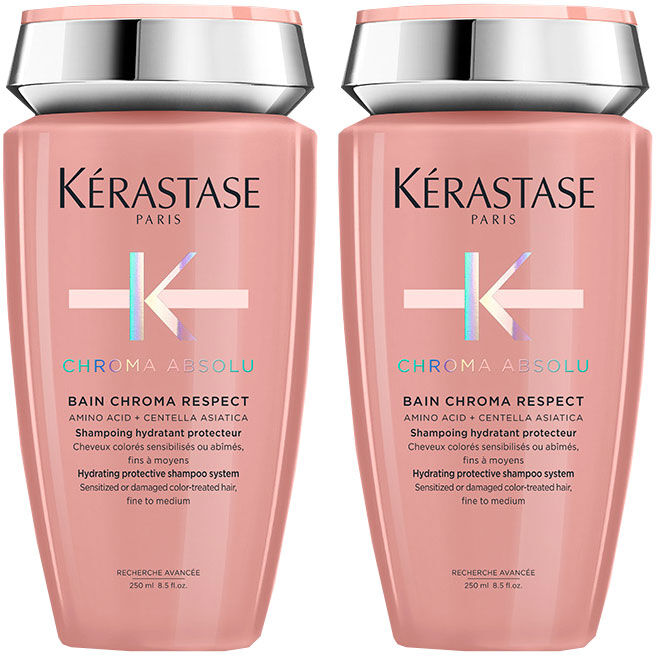
Kérastase Chroma Absolu Bain Respect Shampoo 250ml DoubleStock up and save with this double pack of Kérastase Chroma Absolu Bain Respect Shampoo 250ml. Gently cleansing and nourishing, Kérastase Chroma Absolu Bain Respect Shampoo has been specially designed for sensitized or damaged colour treated hair. Enriched with Glycerin, Amino acid & Hyaluronic Acid, this super hydrating shampoo leaves your hair feeling stronger, more resilient and keeps your vibrant colour from fading. With a creamy gel texture, Chroma Absolu Shampoo Bain Respect provides up to 92% of preserved colour intensity* and up to 74% more shine** Transform your hair in just 6 weeks with long lasting and beautiful results. *Instrumental test. 21 applications of Bain and Fondant vs first day of colour. **Instrumental test: compared to before treatment with Bain Ingredients: Aqua / Water / Eau • Sodium C14-16 Olefin Sulfonate • Cocamide Mea • Glycerin • Cocamidopropyl Betaine • Glycol Distearate • Sodium Lauroyl Sarcosinate • Hexylene Glycol • Citric Acid • Sodium Hydroxide • Sodium Chloride • Peg-55 Propylene Glycol Oleate • Propylene Glycol • Coco-Betaine • Sodium Benzoate • Hydroxypropyl Guar Hydroxypropyltrimonium Chloride • Salicylic Acid • Carbomer • Benzoic Acid • Polyquaternium-7 • Linalool • Limonene • Sodium Hyaluronate • Arginine • Centella Asiatica Extract • Lactic Acid • Ci 17200 / Red 33 • Ci 19140 / Yellow 5 • Parfum / Fragrance. N280447/1.45,75 £*Shipping: 0,00 £Secure redirect to the provider
-
Kérastase Chroma Absolu Bain Chroma Respect Shampoo 250mlGently cleansing and nourishing, Kérastase Chroma Absolu Bain Respect Shampoo has been specially designed for sensitized or damaged colour treated hair. Enriched with Glycerin, Amino acid & Hyaluronic Acid, this super hydrating shampoo leaves your hair feeling stronger, more resilient and keeps your vibrant colour from fading. With a creamy gel texture, Chroma Absolu Shampoo Bain Respect provides up to 92% of preserved colour intensity* and up to 74% more shine** Transform your hair in just 6 weeks with long lasting and beautiful results. *Instrumental test. 21 applications of Bain and Fondant vs first day of colour. **Instrumental test: compared to before treatment with Bain Ingredients: Aqua / Water / Eau • Sodium C14-16 Olefin Sulfonate • Cocamide Mea • Glycerin • Cocamidopropyl Betaine • Glycol Distearate • Sodium Lauroyl Sarcosinate • Hexylene Glycol • Citric Acid • Sodium Hydroxide • Sodium Chloride • Peg-55 Propylene Glycol Oleate • Propylene Glycol • Coco-Betaine • Sodium Benzoate • Hydroxypropyl Guar Hydroxypropyltrimonium Chloride • Salicylic Acid • Carbomer • Benzoic Acid • Polyquaternium-7 • Linalool • Limonene • Sodium Hyaluronate • Arginine • Centella Asiatica Extract • Lactic Acid • Ci 17200 / Red 33 • Ci 19140 / Yellow 5 • Parfum / Fragrance. N280447/1.24,40 £*Shipping: 0,00 £Secure redirect to the provider
-
How would Yugoslavia look like today?
It is difficult to predict exactly how Yugoslavia would look like today as there are many factors to consider. However, it is possible that the country would have faced challenges due to its diverse ethnic and religious makeup. There may have been ongoing tensions between different groups, potentially leading to political instability and conflict. On the other hand, if the country had managed to maintain unity and stability, it could have been a strong player in the region with a diverse and vibrant culture. **
-
Which language was spoken in Yugoslavia?
The main language spoken in Yugoslavia was Serbo-Croatian, which is a South Slavic language. This language was a combination of Serbian and Croatian dialects and was used as the official language of the country. Other languages spoken in Yugoslavia included Slovenian, Macedonian, and Albanian, reflecting the diverse ethnic makeup of the country. **
-
What is the problem regarding Yugoslavia?
The problem regarding Yugoslavia is the ongoing ethnic and political tensions that have persisted since the breakup of the country in the 1990s. The region has experienced violent conflicts and wars, resulting in the loss of thousands of lives and the displacement of millions of people. The unresolved issues of ethnic nationalism, territorial disputes, and political instability continue to hinder the progress and stability of the region. Additionally, the lack of reconciliation and accountability for war crimes and human rights abuses further complicates efforts to achieve lasting peace and stability in the former Yugoslav states. **
-
Why does Yugoslavia no longer exist?
Yugoslavia no longer exists due to a combination of factors, including ethnic and nationalist tensions, economic difficulties, and the collapse of communism. The country was made up of multiple ethnic groups, including Serbs, Croats, and Bosnians, which led to internal conflicts and eventually the breakup of the country. Additionally, the fall of communism in Eastern Europe and the economic struggles that followed contributed to the disintegration of Yugoslavia. Ultimately, these factors led to the secession of various republics and the eventual dissolution of the country. **
* All prices are inclusive of VAT and, if applicable, plus shipping costs. The offer information is based on the details provided by the respective shop and is updated through automated processes. Real-time updates do not occur, so deviations can occur in individual cases. ** Note: Parts of this content were created by AI.