Buy fairplay24.eu ?
We are moving the project
fairplay24.eu .
Are you interested in purchasing the domain
fairplay24.eu ?
domain@kv-gmbh.de · 0541-91531010
Buy fairplay24.eu ?
'Ubiquiti or TP-Link?'
Both Ubiquiti and TP-Link are reputable brands in the networking industry, but they cater to different market segments. Ubiquiti is known for its high-performance, enterprise-grade networking equipment, often used by businesses and professionals. TP-Link, on the other hand, offers a wide range of networking products suitable for home and small business use, with a focus on affordability and ease of use. The choice between the two brands depends on the specific needs and budget of the user. If you require advanced features and reliability, Ubiquiti may be the better choice, while TP-Link is a great option for those looking for cost-effective and user-friendly networking solutions. **
Where do you attach the grounding cable?
The grounding cable is typically attached to a metal rod that is driven into the ground outside of a building. This rod is known as a grounding rod or earth electrode. The grounding cable is securely connected to this rod to provide a safe path for electrical currents to dissipate into the ground in the event of a fault or surge in the electrical system. It is important to ensure that the grounding cable is properly attached to the grounding rod to effectively protect against electrical hazards. **

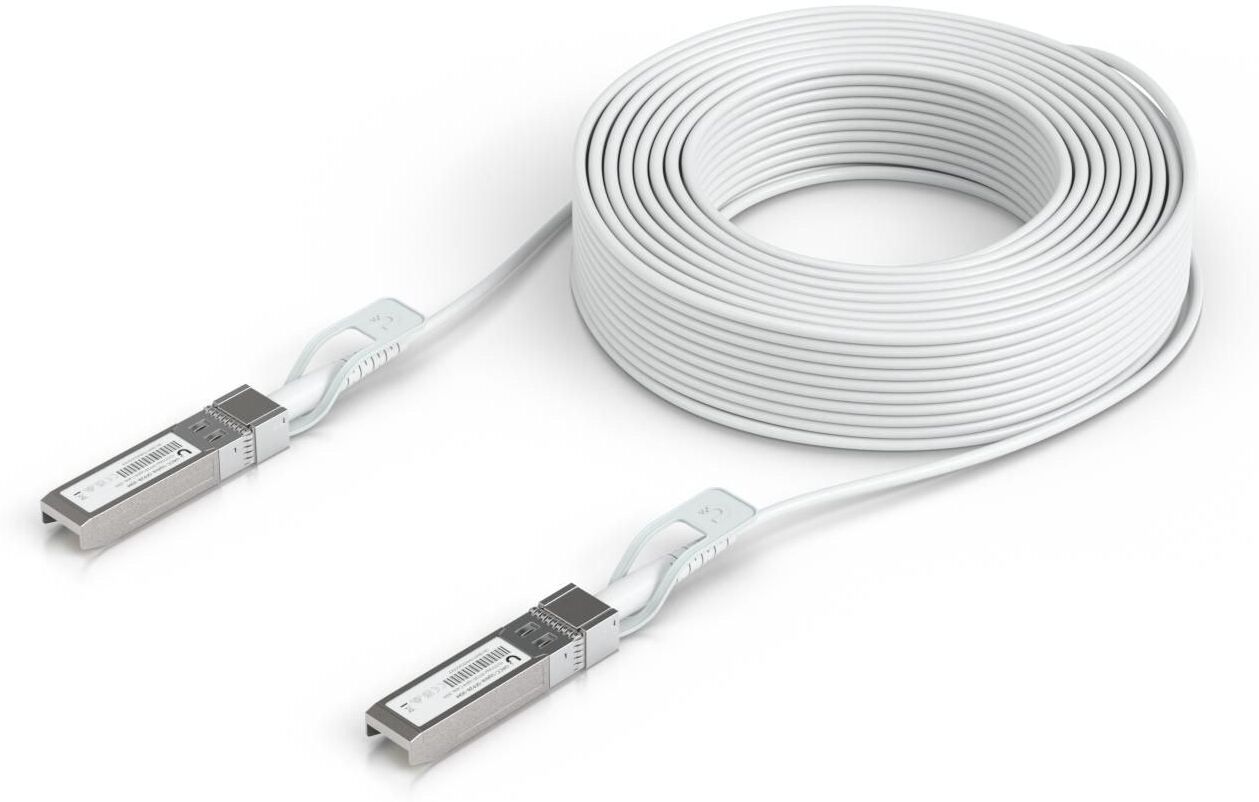
Similar search terms for Ubiquiti-Direct-attach-cable
Top-Angebote
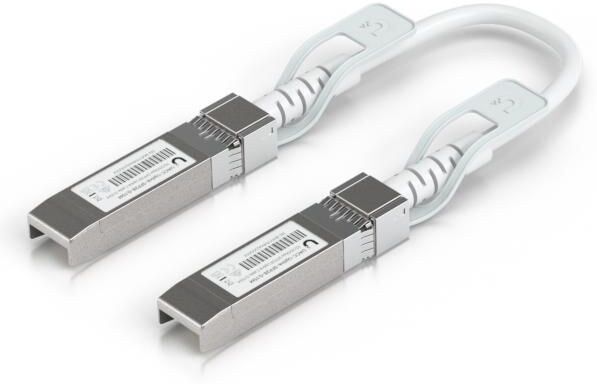
Products related to Ubiquiti-Direct-attach-cable:
-
Lanview Ubiquiti UDC-2 Compatible SFP+ 10G Direct Attach Copper (DAC) Cable 2mLanview 10Gbps SFP+ direct attach copper (DAC) cable, 2 metres, with an SFP+ connector at each end. Compatible with Ubiquiti UDC-2 for linking switches, servers and network cards over short runs without separate transceivers.36,49 £*Shipping: 0,00 £Secure redirect to the provider



-
How do I attach a grounding cable?
To attach a grounding cable, first identify the grounding point on the equipment or structure you are working with. This is typically a metal point that is connected to the ground. Next, securely attach one end of the grounding cable to this grounding point using a bolt or clamp. Then, run the cable to the grounding source, which could be a grounding rod or a metal water pipe. Finally, securely attach the other end of the cable to the grounding source using a bolt or clamp. It's important to ensure that the connections are tight and secure to provide an effective grounding system. **
-
How can you attach the cable to the refrigerator?
To attach the cable to the refrigerator, first locate the power input on the back of the refrigerator. Then, plug the cable into the power input securely, making sure it is inserted all the way. Once the cable is attached, you can then plug the other end into a power outlet. Make sure the cable is not twisted or bent in a way that could damage it, and ensure that the refrigerator is positioned close enough to the power outlet for the cable to reach without being stretched. **
-
What is the fear of being embarrassed due to lack of sportsmanship?
The fear of being embarrassed due to lack of sportsmanship is known as "athazagoraphobia." This fear can stem from a variety of sources, such as a fear of being judged by others, a fear of losing respect or credibility, or a fear of disappointing oneself or others. It can lead individuals to feel anxious or self-conscious in competitive or team sports settings, and may impact their ability to fully engage in the game or activity. Overcoming this fear may involve building confidence, practicing good sportsmanship, and focusing on personal growth rather than external validation. **
-
How can one attach an Ethernet cable to the wall?
To attach an Ethernet cable to the wall, you can use cable clips or cable staples to secure the cable along the baseboard or wall. Alternatively, you can use adhesive cable clips or hooks to mount the cable along the wall. Another option is to use a cable raceway or conduit to hide and protect the Ethernet cable along the wall. Make sure to plan the route of the cable beforehand and use appropriate tools to secure it in place. **

How do I attach the canvas cable to the wall?
To attach the canvas cable to the wall, you will need to use wall hooks or nails. First, determine where you want to hang the canvas and mark the spots on the wall. Then, insert the wall hooks or nails at the marked spots, ensuring they are securely in place. Finally, hang the canvas by looping the cable over the hooks or nails. Adjust the canvas as needed to ensure it is level and secure on the wall. **
How do you attach the cover of a lamp cable?
To attach the cover of a lamp cable, first, slide the cover over the cable, ensuring it is the correct size and shape for the cable. Next, use a small amount of adhesive or heat shrink tubing to secure the cover in place at both ends of the cable. Make sure the cover is snug and does not slide off easily. Finally, use a heat gun or hairdryer to shrink the tubing or set the adhesive, creating a tight and secure seal around the cable. **
Top-Angebote
Products related to Ubiquiti-Direct-attach-cable:
-
Lanview Ubiquiti UDC-2 Compatible SFP+ 10G Direct Attach Copper (DAC) Cable 2mLanview 10Gbps SFP+ direct attach copper (DAC) cable, 2 metres, with an SFP+ connector at each end. Compatible with Ubiquiti UDC-2 for linking switches, servers and network cards over short runs without separate transceivers.36,49 £*Shipping: 0,00 £Secure redirect to the provider
-
'Ubiquiti or TP-Link?'
Both Ubiquiti and TP-Link are reputable brands in the networking industry, but they cater to different market segments. Ubiquiti is known for its high-performance, enterprise-grade networking equipment, often used by businesses and professionals. TP-Link, on the other hand, offers a wide range of networking products suitable for home and small business use, with a focus on affordability and ease of use. The choice between the two brands depends on the specific needs and budget of the user. If you require advanced features and reliability, Ubiquiti may be the better choice, while TP-Link is a great option for those looking for cost-effective and user-friendly networking solutions. **
-
Where do you attach the grounding cable?
The grounding cable is typically attached to a metal rod that is driven into the ground outside of a building. This rod is known as a grounding rod or earth electrode. The grounding cable is securely connected to this rod to provide a safe path for electrical currents to dissipate into the ground in the event of a fault or surge in the electrical system. It is important to ensure that the grounding cable is properly attached to the grounding rod to effectively protect against electrical hazards. **
-
How do I attach a grounding cable?
To attach a grounding cable, first identify the grounding point on the equipment or structure you are working with. This is typically a metal point that is connected to the ground. Next, securely attach one end of the grounding cable to this grounding point using a bolt or clamp. Then, run the cable to the grounding source, which could be a grounding rod or a metal water pipe. Finally, securely attach the other end of the cable to the grounding source using a bolt or clamp. It's important to ensure that the connections are tight and secure to provide an effective grounding system. **
-
How can you attach the cable to the refrigerator?
To attach the cable to the refrigerator, first locate the power input on the back of the refrigerator. Then, plug the cable into the power input securely, making sure it is inserted all the way. Once the cable is attached, you can then plug the other end into a power outlet. Make sure the cable is not twisted or bent in a way that could damage it, and ensure that the refrigerator is positioned close enough to the power outlet for the cable to reach without being stretched. **
Similar search terms for Ubiquiti-Direct-attach-cable
-
What is the fear of being embarrassed due to lack of sportsmanship?
The fear of being embarrassed due to lack of sportsmanship is known as "athazagoraphobia." This fear can stem from a variety of sources, such as a fear of being judged by others, a fear of losing respect or credibility, or a fear of disappointing oneself or others. It can lead individuals to feel anxious or self-conscious in competitive or team sports settings, and may impact their ability to fully engage in the game or activity. Overcoming this fear may involve building confidence, practicing good sportsmanship, and focusing on personal growth rather than external validation. **
-
How can one attach an Ethernet cable to the wall?
To attach an Ethernet cable to the wall, you can use cable clips or cable staples to secure the cable along the baseboard or wall. Alternatively, you can use adhesive cable clips or hooks to mount the cable along the wall. Another option is to use a cable raceway or conduit to hide and protect the Ethernet cable along the wall. Make sure to plan the route of the cable beforehand and use appropriate tools to secure it in place. **
-
How do I attach the canvas cable to the wall?
To attach the canvas cable to the wall, you will need to use wall hooks or nails. First, determine where you want to hang the canvas and mark the spots on the wall. Then, insert the wall hooks or nails at the marked spots, ensuring they are securely in place. Finally, hang the canvas by looping the cable over the hooks or nails. Adjust the canvas as needed to ensure it is level and secure on the wall. **
-
How do you attach the cover of a lamp cable?
To attach the cover of a lamp cable, first, slide the cover over the cable, ensuring it is the correct size and shape for the cable. Next, use a small amount of adhesive or heat shrink tubing to secure the cover in place at both ends of the cable. Make sure the cover is snug and does not slide off easily. Finally, use a heat gun or hairdryer to shrink the tubing or set the adhesive, creating a tight and secure seal around the cable. **
* All prices are inclusive of VAT and, if applicable, plus shipping costs. The offer information is based on the details provided by the respective shop and is updated through automated processes. Real-time updates do not occur, so deviations can occur in individual cases. ** Note: Parts of this content were created by AI.