Buy fairplay24.eu ?
We are moving the project
fairplay24.eu .
Are you interested in purchasing the domain
fairplay24.eu ?
domain@kv-gmbh.de · 0541-91531010
Buy fairplay24.eu ?
What is reactivity?
Reactivity refers to how likely a substance is to undergo a chemical reaction. Highly reactive substances are more likely to react with other substances, while less reactive substances are more stable and less likely to undergo reactions. Reactivity is influenced by factors such as the arrangement of electrons in an atom or molecule, the presence of functional groups, and the chemical environment in which the substance is placed. Understanding the reactivity of a substance is important in predicting its behavior in various chemical reactions. **
What is reactivity in elimination?
Reactivity in elimination refers to the relative ease with which a particular substrate undergoes elimination reaction. Substrates with more reactive leaving groups or more substituted carbons are generally more reactive in elimination reactions. Reactivity can also be influenced by the nature of the base or catalyst used in the elimination reaction. Understanding the reactivity of a substrate is important for predicting and controlling the outcome of elimination reactions. **


Similar search terms for Reactivity
Top-Angebote
Products related to Reactivity:
-
Bronzhaus Bronze Scale Justice Blind Justice Sculpture Statue Clical Figurine 18 Inches RedCondition: This sculpture is in perfect condition Bronze Dimensions with Marble Base: Height 18 inches X Width 9 inches Marble Dimensions: Diameter 5 inches Height without base:17 inches Weight:10LBS Inventory:39Y026-6R7023 Original or Reproduction:…325,99 $*Shipping: 0,00 $Secure redirect to the provider
-
Inspired Finds High Transparency Protective Dustproof Splash Resistant Mask For Outdoor And Work High Transparency Protective Dustproof Splash Resistant Mask For Outdoor And WorkStay protected and visible during outdoor activities and work tasks with this hightransparency protective dustproof mask, designed for comfort, clarity, and versatile use. Whether youre cycling, grinding metal, mowing the lawn, or weeding the...41,99 $*Shipping: 0,00 $Secure redirect to the provider
-
Bronzhaus Bronze Scale Of Justice Blind Justice Sculpture Statue Clical Figurine 18 Inches NrCondition: This sculpture is in perfect condition Bronze Dimensions with Marble Base: Height 18 inches X Width 9 inches Marble Dimensions: Diameter 5 inches Height without base:17 inches Weight:12 LBS Inventory:32Y026-57323 Original or Reproduction:…331,49 $*Shipping: 0,00 $Secure redirect to the provider
-
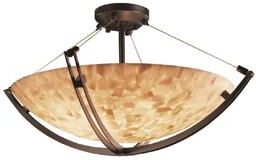
Justice Design Group Justice Design Alabaster Rocks Crossbar 42-inch Dark Bronze Round Bowl Semi-flushThe innovative Alabaster Rocks! Collection, in which pieces of real alabaster are hand-selected and suspended in resin, offers a truly original mosaic look.2761,99 $*Shipping: 0,00 $Secure redirect to the provider



-
What is reactivity in chemistry?
Reactivity in chemistry refers to the tendency of a substance to undergo chemical reactions with other substances. This can be influenced by factors such as the arrangement of electrons in the atoms, the presence of functional groups, and the stability of the resulting products. Highly reactive substances are more likely to participate in chemical reactions, while less reactive substances are more stable and less likely to undergo reactions. Understanding reactivity is important in predicting how substances will behave in various chemical processes and reactions. **
-
Why do alkenes and alkynes have a high reactivity? Why is the reactivity of alkenes greater than that of alkanes and the reactivity of alkynes the greatest?
Alkenes and alkynes have high reactivity due to the presence of pi bonds, which are more easily broken than the sigma bonds found in alkanes. The pi bonds in alkenes and alkynes are more exposed and less stable, making them more susceptible to reactions. The reactivity of alkenes is greater than that of alkanes because they have one or more pi bonds, which provide more opportunities for chemical reactions. Similarly, alkynes have the greatest reactivity because they have two pi bonds, making them even more susceptible to reactions than alkenes. **
-
What is the fear of being embarrassed due to lack of sportsmanship?
The fear of being embarrassed due to lack of sportsmanship is known as "athazagoraphobia." This fear can stem from a variety of sources, such as a fear of being judged by others, a fear of losing respect or credibility, or a fear of disappointing oneself or others. It can lead individuals to feel anxious or self-conscious in competitive or team sports settings, and may impact their ability to fully engage in the game or activity. Overcoming this fear may involve building confidence, practicing good sportsmanship, and focusing on personal growth rather than external validation. **
-
What is the reactivity of alkenes and alkynes?
Alkenes and alkynes are more reactive than alkanes due to the presence of pi bonds in their structures. The pi bonds allow for the addition of atoms or groups to the carbon-carbon double or triple bond, making them susceptible to various types of reactions such as addition reactions. Alkynes are generally more reactive than alkenes due to the presence of a triple bond, which provides more opportunities for reactions to occur. Overall, the reactivity of alkenes and alkynes makes them important building blocks in organic chemistry for synthesizing a wide range of compounds. **

What is the reactivity of the main groups?
The reactivity of the main groups in the periodic table varies depending on the specific group. Generally, the alkali metals in Group 1 are highly reactive, readily forming ionic compounds with nonmetals. The alkaline earth metals in Group 2 are also reactive, but less so than the alkali metals. The halogens in Group 17 are highly reactive nonmetals, readily forming compounds with metals. The noble gases in Group 18 are generally unreactive due to their full outer electron shells. Overall, reactivity tends to increase going down a group and decrease going across a period from left to right. **
What is the reactivity of alkanes and alkenes?
Alkanes are relatively unreactive due to the presence of only single bonds between carbon atoms, which makes them stable and inert under most conditions. On the other hand, alkenes are more reactive than alkanes due to the presence of a double bond, which can undergo addition reactions with various reagents. This double bond provides alkenes with the ability to participate in a wide range of chemical reactions, making them more versatile in organic synthesis compared to alkanes. **
Top-Angebote
Products related to Reactivity:
-
Champagne Faux Honesty Single StemBring soft shimmer to your arrangements with the Champagne Faux Honesty Single Stem. Delicate coin-shaped petals in a pearly champagne tone catch the light beautifully. The tall flexible stem is easy to style in slim vases, mixed bouquets, or seasonal centrepieces. Enjoy the airy, dried-flower look without shedding or fading. Display alone for a minimal statement or cluster several stems for a full, ethereal arrangement in any room. Perfect for neutrals, styling, and year-round décor. Dimensions: H67cm4,99 £*Shipping: 4,99 £Secure redirect to the provider
-
Bronzhaus Bronze Scale Justice Blind Justice Sculpture Statue Clical Figurine 18 Inches RedCondition: This sculpture is in perfect condition Bronze Dimensions with Marble Base: Height 18 inches X Width 9 inches Marble Dimensions: Diameter 5 inches Height without base:17 inches Weight:10LBS Inventory:39Y026-6R7023 Original or Reproduction:…325,99 $*Shipping: 0,00 $Secure redirect to the provider
-
Inspired Finds High Transparency Protective Dustproof Splash Resistant Mask For Outdoor And Work High Transparency Protective Dustproof Splash Resistant Mask For Outdoor And WorkStay protected and visible during outdoor activities and work tasks with this hightransparency protective dustproof mask, designed for comfort, clarity, and versatile use. Whether youre cycling, grinding metal, mowing the lawn, or weeding the...41,99 $*Shipping: 0,00 $Secure redirect to the provider
-
What is reactivity?
Reactivity refers to how likely a substance is to undergo a chemical reaction. Highly reactive substances are more likely to react with other substances, while less reactive substances are more stable and less likely to undergo reactions. Reactivity is influenced by factors such as the arrangement of electrons in an atom or molecule, the presence of functional groups, and the chemical environment in which the substance is placed. Understanding the reactivity of a substance is important in predicting its behavior in various chemical reactions. **
-
What is reactivity in elimination?
Reactivity in elimination refers to the relative ease with which a particular substrate undergoes elimination reaction. Substrates with more reactive leaving groups or more substituted carbons are generally more reactive in elimination reactions. Reactivity can also be influenced by the nature of the base or catalyst used in the elimination reaction. Understanding the reactivity of a substrate is important for predicting and controlling the outcome of elimination reactions. **
-
What is reactivity in chemistry?
Reactivity in chemistry refers to the tendency of a substance to undergo chemical reactions with other substances. This can be influenced by factors such as the arrangement of electrons in the atoms, the presence of functional groups, and the stability of the resulting products. Highly reactive substances are more likely to participate in chemical reactions, while less reactive substances are more stable and less likely to undergo reactions. Understanding reactivity is important in predicting how substances will behave in various chemical processes and reactions. **
-
Why do alkenes and alkynes have a high reactivity? Why is the reactivity of alkenes greater than that of alkanes and the reactivity of alkynes the greatest?
Alkenes and alkynes have high reactivity due to the presence of pi bonds, which are more easily broken than the sigma bonds found in alkanes. The pi bonds in alkenes and alkynes are more exposed and less stable, making them more susceptible to reactions. The reactivity of alkenes is greater than that of alkanes because they have one or more pi bonds, which provide more opportunities for chemical reactions. Similarly, alkynes have the greatest reactivity because they have two pi bonds, making them even more susceptible to reactions than alkenes. **
Similar search terms for Reactivity
-
Bronzhaus Bronze Scale Of Justice Blind Justice Sculpture Statue Clical Figurine 18 Inches NrCondition: This sculpture is in perfect condition Bronze Dimensions with Marble Base: Height 18 inches X Width 9 inches Marble Dimensions: Diameter 5 inches Height without base:17 inches Weight:12 LBS Inventory:32Y026-57323 Original or Reproduction:…331,49 $*Shipping: 0,00 $Secure redirect to the provider
-
Justice Design Group Justice Design Alabaster Rocks Crossbar 42-inch Dark Bronze Round Bowl Semi-flushThe innovative Alabaster Rocks! Collection, in which pieces of real alabaster are hand-selected and suspended in resin, offers a truly original mosaic look.2761,99 $*Shipping: 0,00 $Secure redirect to the provider
-
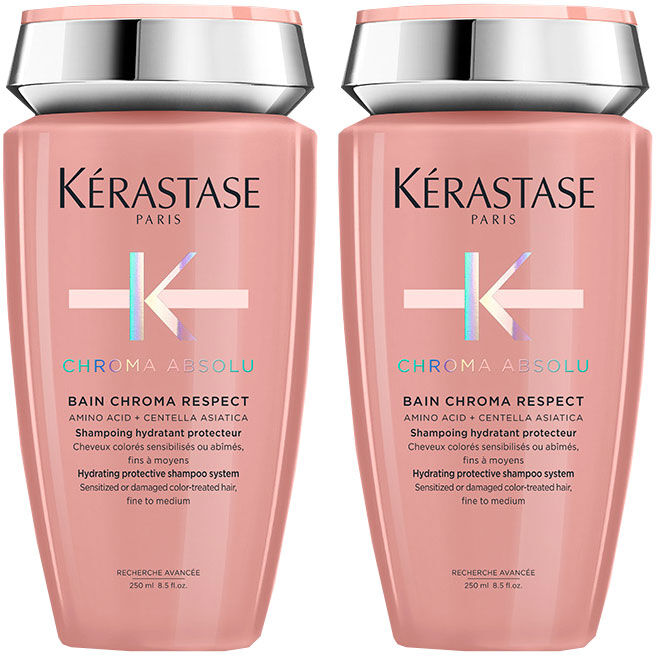
Kérastase Chroma Absolu Bain Respect Shampoo 250ml DoubleStock up and save with this double pack of Kérastase Chroma Absolu Bain Respect Shampoo 250ml. Gently cleansing and nourishing, Kérastase Chroma Absolu Bain Respect Shampoo has been specially designed for sensitized or damaged colour treated hair. Enriched with Glycerin, Amino acid & Hyaluronic Acid, this super hydrating shampoo leaves your hair feeling stronger, more resilient and keeps your vibrant colour from fading. With a creamy gel texture, Chroma Absolu Shampoo Bain Respect provides up to 92% of preserved colour intensity* and up to 74% more shine** Transform your hair in just 6 weeks with long lasting and beautiful results. *Instrumental test. 21 applications of Bain and Fondant vs first day of colour. **Instrumental test: compared to before treatment with Bain Ingredients: Aqua / Water / Eau • Sodium C14-16 Olefin Sulfonate • Cocamide Mea • Glycerin • Cocamidopropyl Betaine • Glycol Distearate • Sodium Lauroyl Sarcosinate • Hexylene Glycol • Citric Acid • Sodium Hydroxide • Sodium Chloride • Peg-55 Propylene Glycol Oleate • Propylene Glycol • Coco-Betaine • Sodium Benzoate • Hydroxypropyl Guar Hydroxypropyltrimonium Chloride • Salicylic Acid • Carbomer • Benzoic Acid • Polyquaternium-7 • Linalool • Limonene • Sodium Hyaluronate • Arginine • Centella Asiatica Extract • Lactic Acid • Ci 17200 / Red 33 • Ci 19140 / Yellow 5 • Parfum / Fragrance. N280447/1.45,75 £*Shipping: 0,00 £Secure redirect to the provider
-
Kérastase Chroma Absolu Bain Chroma Respect Shampoo 250mlGently cleansing and nourishing, Kérastase Chroma Absolu Bain Respect Shampoo has been specially designed for sensitized or damaged colour treated hair. Enriched with Glycerin, Amino acid & Hyaluronic Acid, this super hydrating shampoo leaves your hair feeling stronger, more resilient and keeps your vibrant colour from fading. With a creamy gel texture, Chroma Absolu Shampoo Bain Respect provides up to 92% of preserved colour intensity* and up to 74% more shine** Transform your hair in just 6 weeks with long lasting and beautiful results. *Instrumental test. 21 applications of Bain and Fondant vs first day of colour. **Instrumental test: compared to before treatment with Bain Ingredients: Aqua / Water / Eau • Sodium C14-16 Olefin Sulfonate • Cocamide Mea • Glycerin • Cocamidopropyl Betaine • Glycol Distearate • Sodium Lauroyl Sarcosinate • Hexylene Glycol • Citric Acid • Sodium Hydroxide • Sodium Chloride • Peg-55 Propylene Glycol Oleate • Propylene Glycol • Coco-Betaine • Sodium Benzoate • Hydroxypropyl Guar Hydroxypropyltrimonium Chloride • Salicylic Acid • Carbomer • Benzoic Acid • Polyquaternium-7 • Linalool • Limonene • Sodium Hyaluronate • Arginine • Centella Asiatica Extract • Lactic Acid • Ci 17200 / Red 33 • Ci 19140 / Yellow 5 • Parfum / Fragrance. N280447/1.24,40 £*Shipping: 0,00 £Secure redirect to the provider
-
What is the fear of being embarrassed due to lack of sportsmanship?
The fear of being embarrassed due to lack of sportsmanship is known as "athazagoraphobia." This fear can stem from a variety of sources, such as a fear of being judged by others, a fear of losing respect or credibility, or a fear of disappointing oneself or others. It can lead individuals to feel anxious or self-conscious in competitive or team sports settings, and may impact their ability to fully engage in the game or activity. Overcoming this fear may involve building confidence, practicing good sportsmanship, and focusing on personal growth rather than external validation. **
-
What is the reactivity of alkenes and alkynes?
Alkenes and alkynes are more reactive than alkanes due to the presence of pi bonds in their structures. The pi bonds allow for the addition of atoms or groups to the carbon-carbon double or triple bond, making them susceptible to various types of reactions such as addition reactions. Alkynes are generally more reactive than alkenes due to the presence of a triple bond, which provides more opportunities for reactions to occur. Overall, the reactivity of alkenes and alkynes makes them important building blocks in organic chemistry for synthesizing a wide range of compounds. **
-
What is the reactivity of the main groups?
The reactivity of the main groups in the periodic table varies depending on the specific group. Generally, the alkali metals in Group 1 are highly reactive, readily forming ionic compounds with nonmetals. The alkaline earth metals in Group 2 are also reactive, but less so than the alkali metals. The halogens in Group 17 are highly reactive nonmetals, readily forming compounds with metals. The noble gases in Group 18 are generally unreactive due to their full outer electron shells. Overall, reactivity tends to increase going down a group and decrease going across a period from left to right. **
-
What is the reactivity of alkanes and alkenes?
Alkanes are relatively unreactive due to the presence of only single bonds between carbon atoms, which makes them stable and inert under most conditions. On the other hand, alkenes are more reactive than alkanes due to the presence of a double bond, which can undergo addition reactions with various reagents. This double bond provides alkenes with the ability to participate in a wide range of chemical reactions, making them more versatile in organic synthesis compared to alkanes. **
* All prices are inclusive of VAT and, if applicable, plus shipping costs. The offer information is based on the details provided by the respective shop and is updated through automated processes. Real-time updates do not occur, so deviations can occur in individual cases. ** Note: Parts of this content were created by AI.